Digitalisation hold vast opportunities for regional economic integration under the East African Community (EAC), and has become a foundational enabler of trade, innovation, public service delivery, and competitiveness.
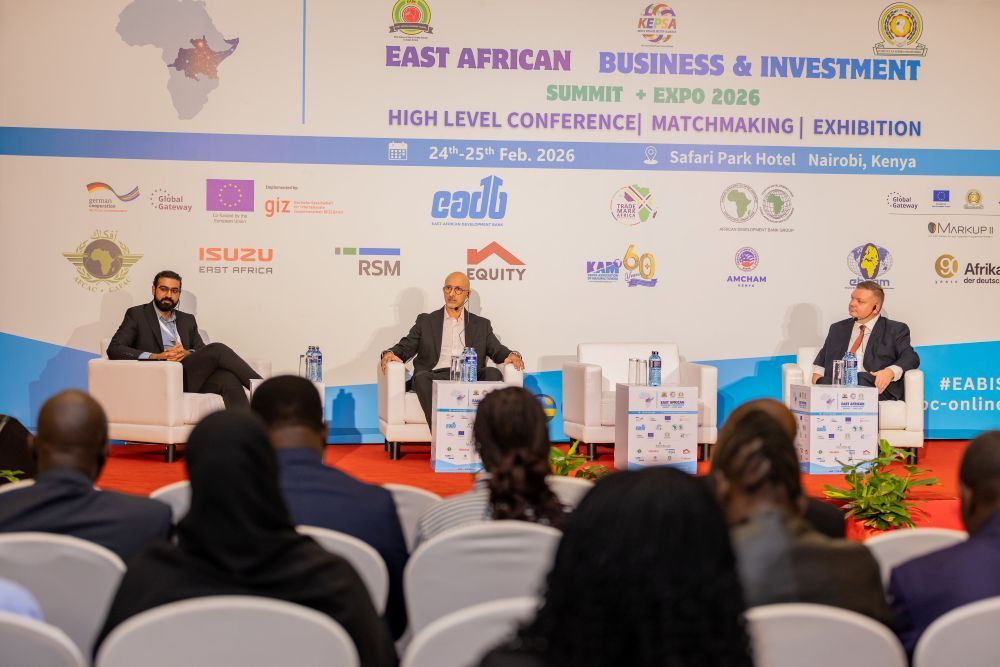
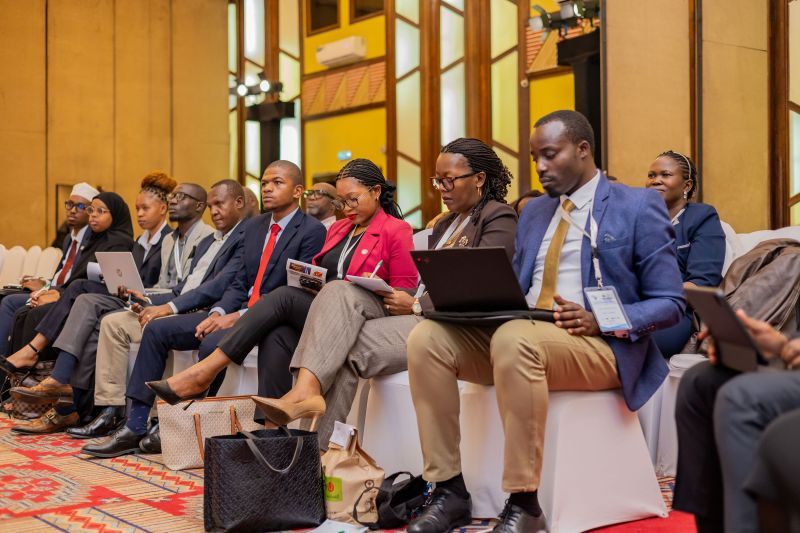
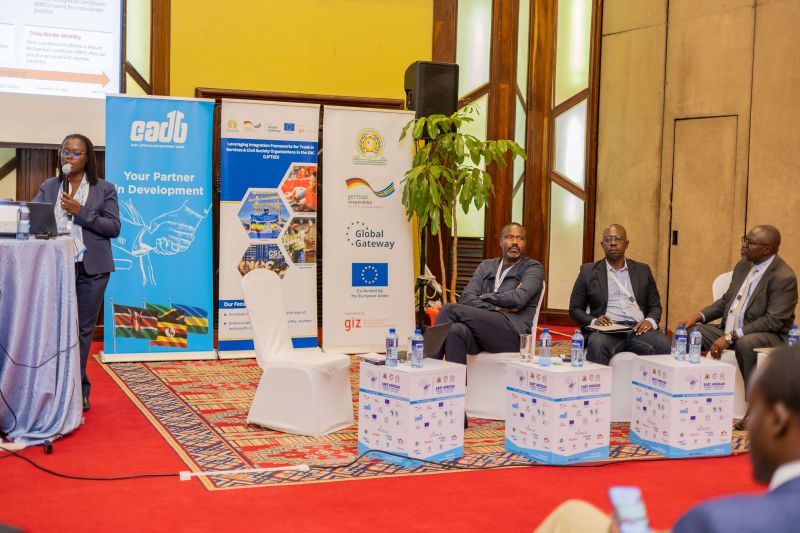
This is the clear message from a series of panel discussions held on 25th February 2026 between business leaders, investors, development partners comprising the European Union, leading German and East African partners, and SMEs from across the region and beyond. The panel discussions took place as part of the East Africa Business and Investment Summit 2026 hosted by the East African Business Council (EABC) between 24 - 25 February in Nairobi, Kenya.
This year’s summit serves as a high-level dialogue and deal-making platform aimed at shaping the East African economic agenda, improving the business environment and unlocking new intra- and extra-EAC trade and investment opportunities. The summit comes at a pivotal time, coinciding with major continental and global developments, including the ongoing implementation of the African Continental Free Trade Area and the commencement of the Tripartite Free Trade Area Agreement.
The 2026 summit supported through LIFTED — a project co-financed by the German Federal Ministry for Economic Cooperation and Development (BMZ) and the European Union (EU), and implemented by GIZ featured High-Level CEOs Dialogues including Artificial Intelligence Trends organized by AI Alliance Project, Digital Trade/E-Commerce - organised by EU–EAC Digital Economy Package (DEEP) project and Mutual Recognition Agreements for Engineers – organized by LIFTED and DIGEAT projects, with a primary objective of repositioning the EAC as Africa’s trade and investment hub.
In his keynote presentation during the E-Commerce sessions, Mr. Martin Muli, CEO Teki - Convenor Kenya E-Commerce Community, emphasised the need for EAC Partner State to establish a strong and vibrant e-commerce association - a body that brings together platforms, enablers, logistics providers, fintech innovators, digital traders and provides an opportunity for synergy.
Mr. Muli noted that with over 250 million people, a combined economy approaching $350 billion and a generation born digital and entrepreneurial by instinct, E-commerce in EAC will continue to evolve rapidly. He particularly welcomed the session’s focus on actionable private sector recommendations and the exploration of a structured regional Digital Trade Forum under EABC.
“The EAC is home to one of the most innovative fintech ecosystems in the world—an ecosystem that gave us M-PESA, a revolution that transformed how a continent moves money. Our informal businesses are not waiting for permission to go digital, they are already thriving on social commerce platforms like WhatsApp, TikTok, Instagram— turning chat apps into storefronts. Platforms like Jiji, Mama mia, Jumia, Safe boda and many others are leading the charge, proving that formal E-Commerce can scale in EAC.” He added.
Speaking during the AI session, Mr. Shiraz Khota, Director Emerging Africa, SAP, noted that for long, leaders have talked about Africa’s potential arguing that improving artificial intelligence in practice would shift this potential into real performance.
“The question on every business leader right now is not if they are going to embed AI in their business, but how quickly they can push it in the heart of their business operations. AI is no longer a science experiment; it is an intelligence that make companies more efficient and ultimately more investable.” He added.
The session on Mutua Recognition Agreement for Engineers provided an opportunity for experts to discuss progress made, and openings that come with mutual recognition of professional qualifications to unlock Trade in Services in the region. While acknowledging how ICT has disrupted value chains, business models and sustainable economic growth, participant expressed the need to develop a roadmap for harmonising classification of ICT professionals to facilitate cross border mobility.
The Summit aims to position the EAC as Africa’s premier trade and investment hub while leveraging the digital economy as a driver of sustainable growth and inclusion. A communiqué outlining recommendations and resolutions from the Summit discussions will be presented by EABC to the Chairperson of the EAC Council of Ministers for consideration in policy decision-making.