At the World Health Summit Regional Meeting (27–29 April 2026), held under the theme “Reimagining Africa’s Health Systems: Innovation, Integration and Interdependence”, the East African Community (EAC) showcased how regional cooperation is strengthening outbreak preparedness and response across Partner States.
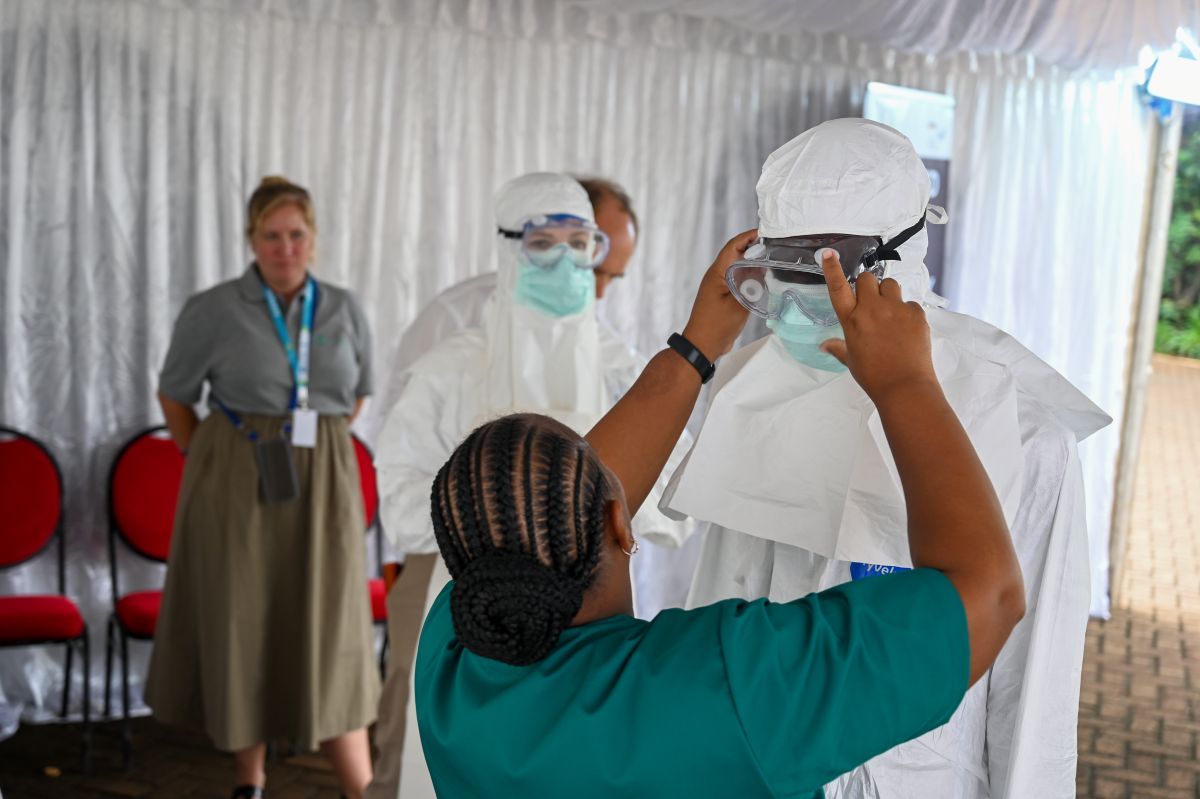
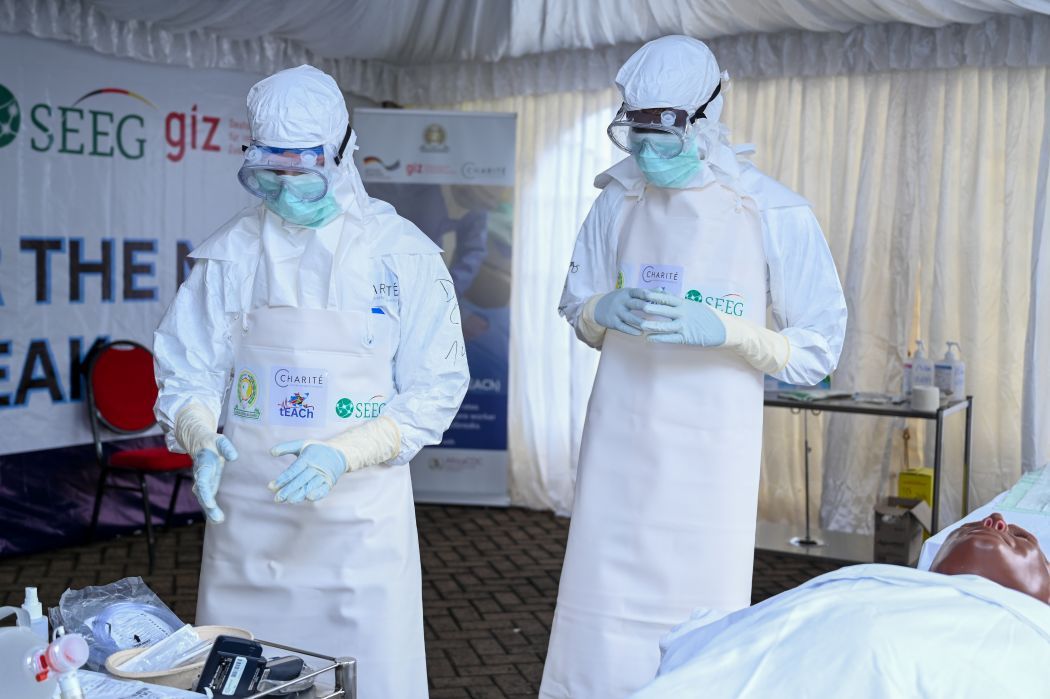
Through a live simulation exercise on the clinical management of Ebola and Marburg patients, alongside high-level sessions on surveillance, laboratory systems and rapid response, the EAC demonstrated how coordinated approaches are enabling faster detection and more effective containment of infectious disease outbreaks, reinforcing the region’s preparedness for future health threats.
The Intensive Care Unit (ICU) training scenario illustrated the practical application of personal protective equipment and clinical protocols, reinforcing the value of hands-on training in strengthening frontline readiness, coordination, and rapid decision-making during outbreaks.
Drawing on lessons from the 2024 Marburg outbreak in Rwanda, as well as recent Mpox and hemorrhagic fever responses across EAC Partner States, the exercise showed how regional expertise and international collaboration enable swift, context-specific action, strengthening surge capacity and coordinated outbreak response.
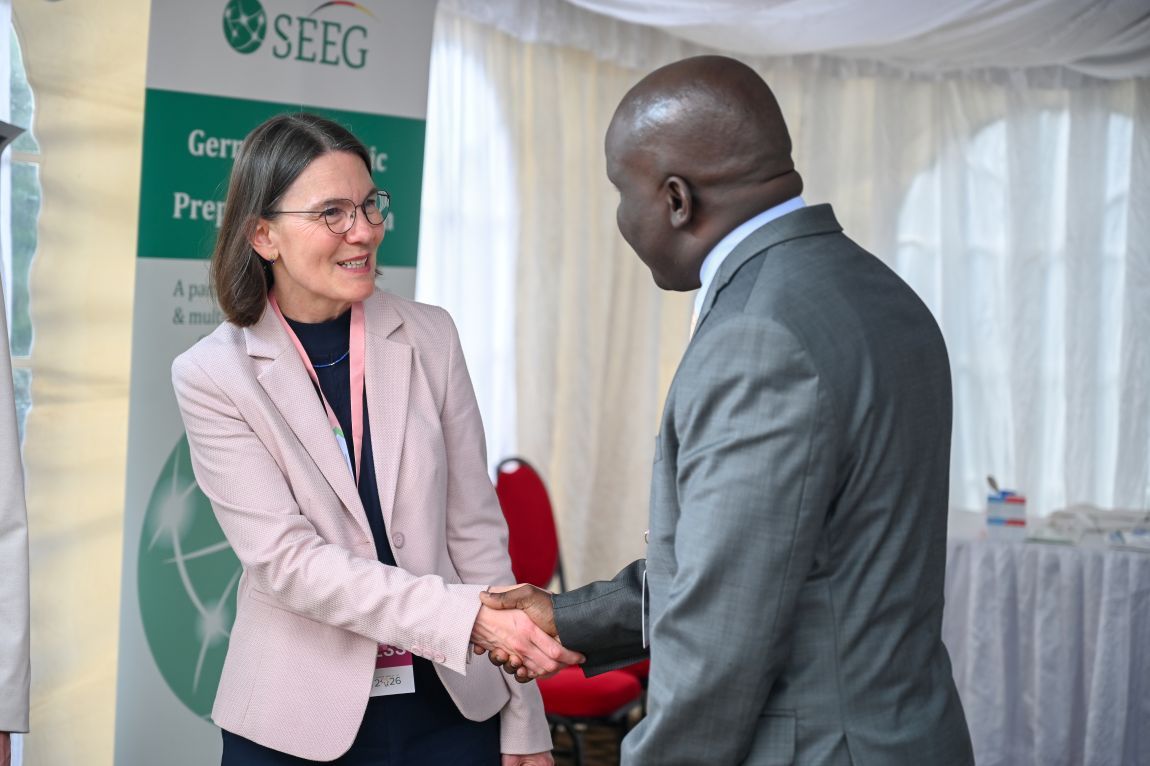
The event was officiated by Hon. Andrea Aguer Ariik Malueth, Deputy Secretary General of the EAC and Birgit Pickel, Director-General for Africa at the German Federal Ministry for Economic Cooperation and Development (BMZ).
In an increasingly interconnected world, outbreaks can spread across borders within days – making regional coordination critical to global health security. Highlighting the EAC’s comparative advantage in regional outbreak preparedness across Partner States, Hon. DSG Ariik emphasised: “Regional cooperation allows Partner States to act as one system rather than individually. Through the early sharing of surveillance data, coordinated cross-border responses, and harmonised guidelines for detection, treatment and communication, this approach ensures faster detection, consistent messaging, and more efficient use of limited resources – especially for diseases that do not respect borders.”
Central to this approach, the EAC is strengthening sustainable partnerships to ensure that outbreaks are met with prepared response systems. Together with the BMZ, World Health Organization Regional Office for Africa (WHO AFRO) and Africa Centres for Disease Control and Prevention (Africa CDC), alongside technical partners including Charité – Universitätsmedizin Berlin, Deutsche Gesellschaft für Internationale Zusammenarbeit (GIZ) GmbH and the German Epidemic Preparedness Team (SEEG) – a cooperation network of German Institutions to support partner countries in building capacity and sharing expertise for prevention, preparedness, and response of disease outbreaks, guided by the One Health Approach – these efforts are advancing surveillance and early warning systems, expanding laboratory and diagnostic capacity, and strengthening infection prevention and control as well as risk communication and community engagement, while building a workforce ready for rapid, coordinated response across the region.
Aligned with these efforts, the EAC has launched the Training in the East African Community for High Consequence Infectious Diseases (TEACH) initiative in Nairobi, with technical support from Charité – Universitätsmedizin Berlin to strengthen intensive care capacity for patients diagnosed with high-risk infectious diseases such as Ebola and Marburg.
“Strong regional cooperation and reliable partnerships are essential for global health security,” said Dr. Tania Vorwerk, Representative of the Federal Ministry for Economic Cooperation and Development (BMZ). “Germany supports the East African Community in strengthening mechanisms such as the Rapidly Deployable Expert Pool, a regional network that enables the timely deployment of skilled professionals to respond to outbreaks across the region. We remain committed to supporting pandemic preparedness as a shared responsibility, helping to protect not only the region, but the world from future pandemics.”
In public health, outbreaks are not won at the moment of crisis, but through integrated systems, coordination and preparedness established long before they occur.