Sending money across East Africa could soon become faster, more affordable and more reliable, unlocking new opportunities for businesses, traders and citizens across the region.
This ambition was at the centre of the EU–EAC Payment Systems Knowledge Exchange Mission, held in March 2026 in Germany and Luxembourg. The mission supports implementation of the EAC’s Payment System Masterplan under the EU–EAC Digital Economy, E-Commerce, E-Payments and Public E-Services (DEEP) Programme.
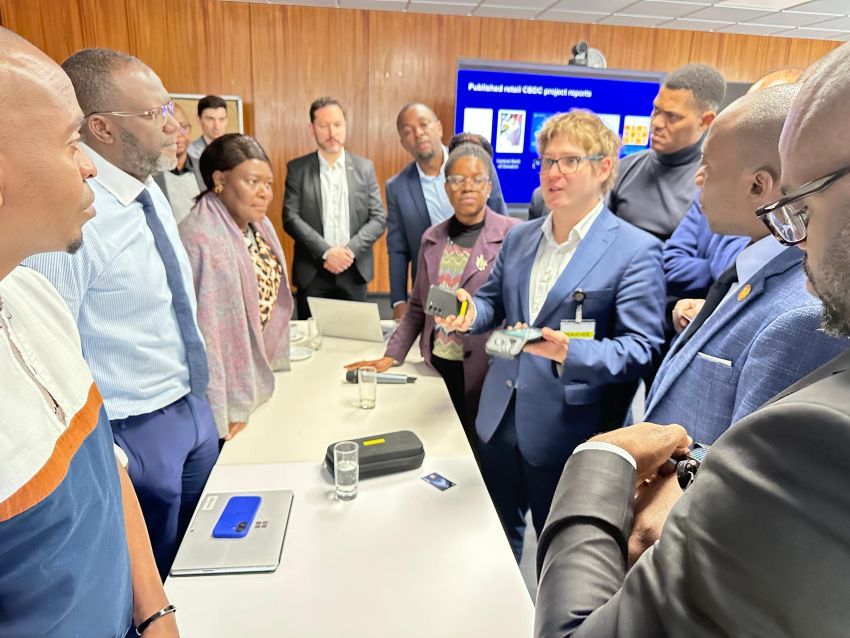
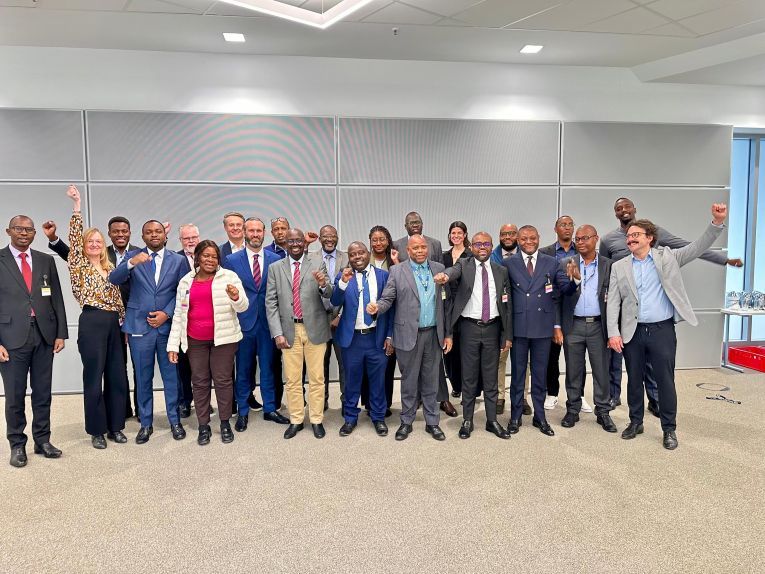
Bringing together delegates from EAC Partner States central banks, alongside the East African Development Bank and the Financial Sector Deepening (FSD) Network, the mission created a platform for direct exchange with leading European institutions. These included Deutsche Bank, the Bank for International Settlements (BIS), the Deutsche Bundesbank, the European Central Bank (ECB), and the European Investment Bank (EIB), among others.
During a series of technical sessions and peer-to-peer engagements, participants explored how Europe has developed secure, efficient and interoperable payment systems that support seamless cross-border transactions.
Learning from Europe’s integrated payment systems
A key focus of the mission was understanding how integrated systems can reduce transaction costs and improve efficiency. Participants examined frameworks such as the Single Euro Payments Area (SEPA), which enables seamless euro transactions across multiple countries.
Supporting this system are advanced infrastructures such as the Trans-European Automated Real-time Gross Settlement Express Transfer System (TARGET) and TARGET Instant Payment Settlement (TIPS), which facilitate real-time and instant payments across borders. These systems demonstrate how strong coordination between regulators, financial institutions and technology providers can deliver reliable and scalable payment solutions.
For East Africa, these insights are directly relevant. As the region works towards deeper financial integration and the long-term goal of a monetary union, interoperable payment systems will be essential to enable cross-border trade, enhance financial inclusion and support economic growth.
From knowledge exchange to practical action
Beyond technical learning, the mission strengthened collaboration between public and private sector actors, highlighting the importance of aligning regulatory frameworks, infrastructure development and innovation ecosystems.
“By strengthening interoperability and learning from global best practices, we are laying the foundation for faster, more secure, and more inclusive payment systems that directly benefit East African citizens and businesses,” said Daniel Murenzi, Principal Information Technology Officer at the EAC Secretariat.
The mission also highlighted the role of partnerships in driving reform. “FSD Network is proud to have supported the study visit for EAC Central Bank participants. The visit provided a valuable opportunity to deepen delegates’ understanding of the European payment ecosystem, particularly in areas of innovation, governance, and oversight models,” said Michael Mbuthia, Programme Lead, EAC Masterplan Implementation (FSD Network).
Delivery impact on citizens and businesses
While highly technical in nature, the outcomes of the mission are ultimately about improving everyday experiences. Faster and more affordable cross-border payments can reduce the cost of doing business, support small and medium-sized enterprises, and make it easier for individuals to send and receive money across borders.
As a result of the mission, participating institutions are expected to translate lessons learned into concrete reforms and investments bringing East Africa closer to a fully integrated digital financial ecosystem.