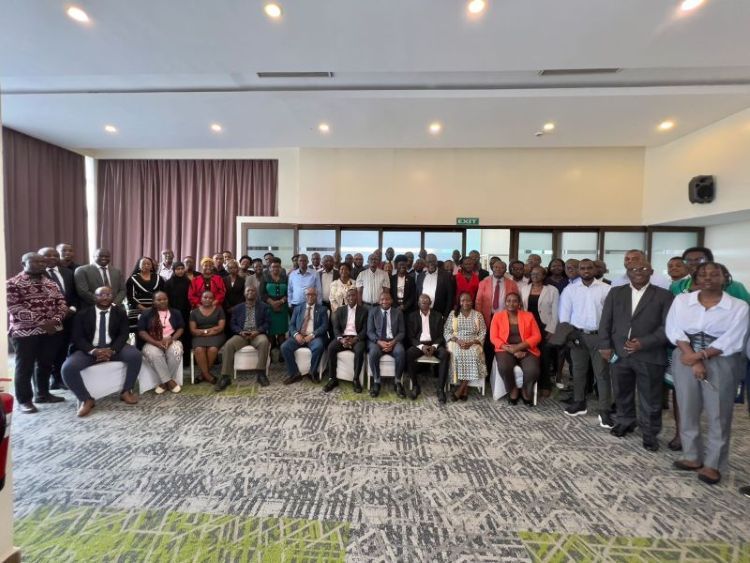
African Regional Economic Communities (RECs) have renewed calls for the implementation of legislative frameworks to accelerate cross-border mobility for professionals, as momentum builds to translate policy commitments into tangible outcomes.
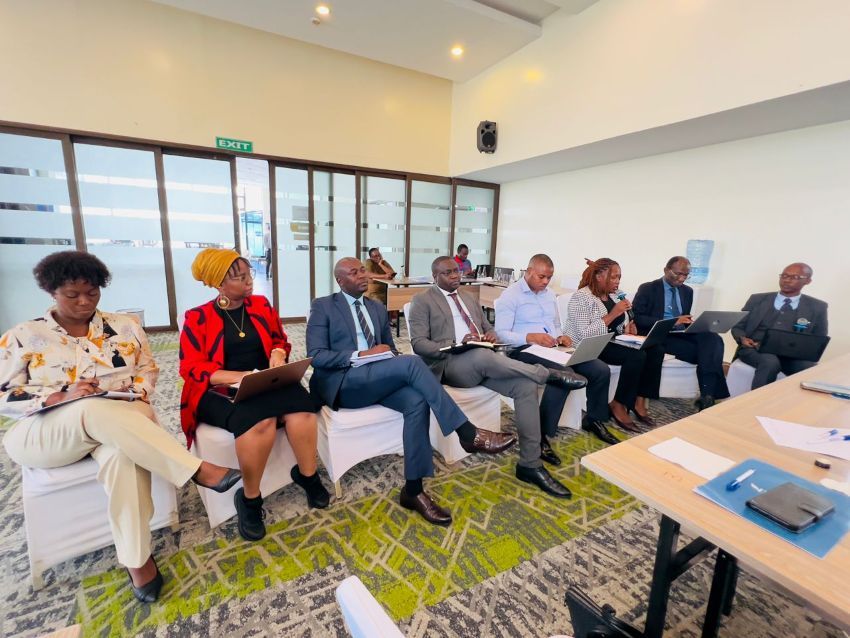
This was the central message emerging from the Inter-REC Learning Exchange held in Nairobi from 30 March to 1 April 2026. The meeting brought together representatives from regulatory bodies, policy makers, private sector actors, and Development Partners.
The exchange, convened by the East African Community (EAC) Secretariat in collaboration with the African Continental Free Trade Area (AfCFTA) Secretariat and GIZ, was also attended by representatives from COMESA, ECOWAS, IGAD, SADC, EAC, and ECCAS, as well as delegates representing key professional sectors such as engineering, architecture, accountancy, and legal.
Despite efforts to sign and implement Mutual Recognition Agreements (MRAs) in several regions, participants highlighted persistent barriers faced by professionals seeking to operate across borders. These include duplicative licensing requirements, complex work permit processes, and the continued lack of recognition of qualifications, even in cases where formal agreements are already in place.
Discussions during the session on Professional Mobility underscored the widening gap between policy frameworks and real-world implementation, with stakeholders noting that slow progress in operationalising MRAs continues to limit opportunities for professionals and constrain private sector growth across the continent.
A key highlight of the three-day exchange was a live demonstration of the EAC’s digital data exchange platform, developed under the Engineering MRA with support from GIZ’s DIGEAT project and LIFTED - a project jointly co-financed by the German Federal Ministry for Economic Cooperation and Development (BMZ) and the European Union (EU).
The platform enables competent authorities across EAC Partner States to verify professional credentials in real time, including qualifications, registration status, and disciplinary records. This innovation is expected to significantly reduce reliance on lengthy manual verification processes that have historically hindered cross-border professional mobility.
Within the continental landscape, the EAC was recognised as one of the most advanced RECs in advancing MRAs. The bloc has concluded agreements in accountancy, architecture, engineering, and veterinary services, while negotiations for an advocates MRA are at an advanced stage. An overarching framework for mutual recognition has also been approved – the annex VII.
Outcomes from the learning exchange, including key recommendations and a proposed roadmap, are expected to inform the AfCFTA Secretariat’s draft Guidelines on Sectoral Recognition Agreements (SRAs). These guidelines represent a new continental approach aimed at expanding recognition mechanisms beyond traditionally regulated professions.
As Africa deepens regional integration under the AfCFTA, stakeholders emphasised that effective implementation of MRAs will be critical to unlocking the full potential of professional mobility, boosting trade in services, and driving economic transformation across the continent.