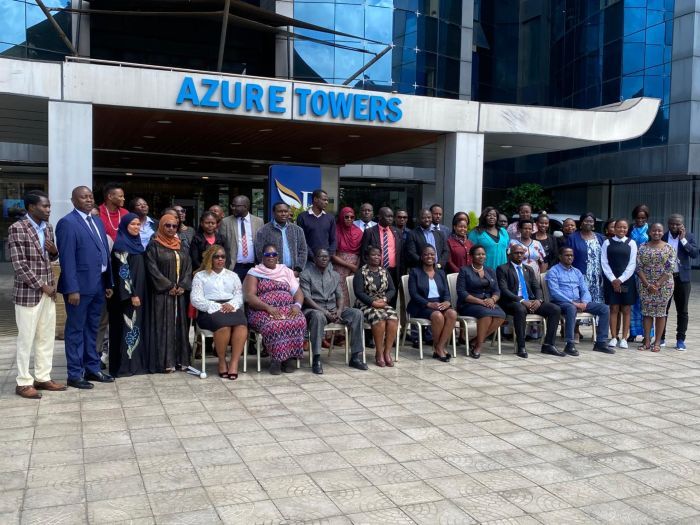
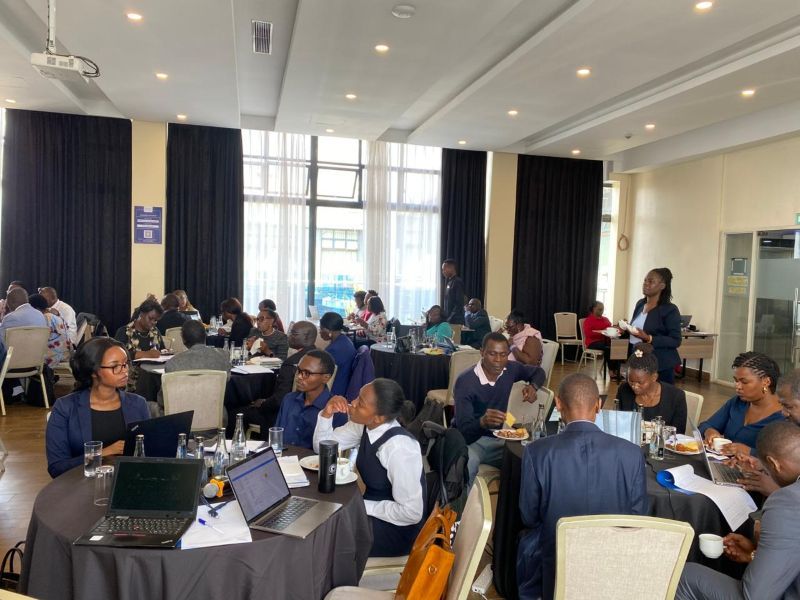
From 3 to 7 November 2025, regional experts, civil society representatives (CSOs), and policymakers from across the East African Community (EAC) convened in Nairobi, Kenya, to validate and finalise critical policy documents designed to advance social inclusion, equitable development and youth empowerment across the eight EAC Partner States.
The week-long session represented the final endorsement for the updated frameworks on gender equality, youth empowerment, child rights, social protection, and community development by experts and key stakeholders. It also included the review of the Regional Strategy for Promoting Women in Business for Socio-Economic Development.
Representing the EAC Secretariat, Dr. Dorcas Omukhulu, Ag. Director of Social Services reflected on the steps that had shaped up the policy review processes including input by the technical committee in Entebbe, Uganda and commended the participants for their contributions in the policy formulation which actively collected and incorporated the youth voices.
“Your efforts are foundational to shaping a future where young people are recognised as key stakeholders in development, leadership and accountability in regional policy frameworks, and this review has been essential as many existing policies have reached the end of their implementation timelines” Dr. Omukhulu added.
While making her remarks, Ms Mary Maisory, the Deputy Director at the Ministry of EAC, Arid and Semi-Arid Lands (ASALs), and Regional Integration - Republic of Kenya, observed that the Community’s strength depended on its diversity and its people, and with the youth constituting 65% of the EAC population, and women forming the majority of the workforce and community caregivers, no integration process could succeed without their meaningful participation.
The Deputy Director emphasised that through these efforts, the region aimed to ensure that its priorities, employment, education, innovation, entrepreneurship, and leadership, are embedded in the frameworks and reaffirmed the region’s collective commitment to gender-responsive, youth-driven, and socially inclusive policies that leave no one behind.
“I commend the civil society organizations, youth networks, and women groups that contributed to the preparatory and consultative processes leading up to today’s meeting. Their insights and recommendations embody the real experiences and aspirations of the communities you represent. I urge the technical experts and policymakers present today to listen attentively, engage constructively, and reflect inclusively on the voices and proposals presented” She added.
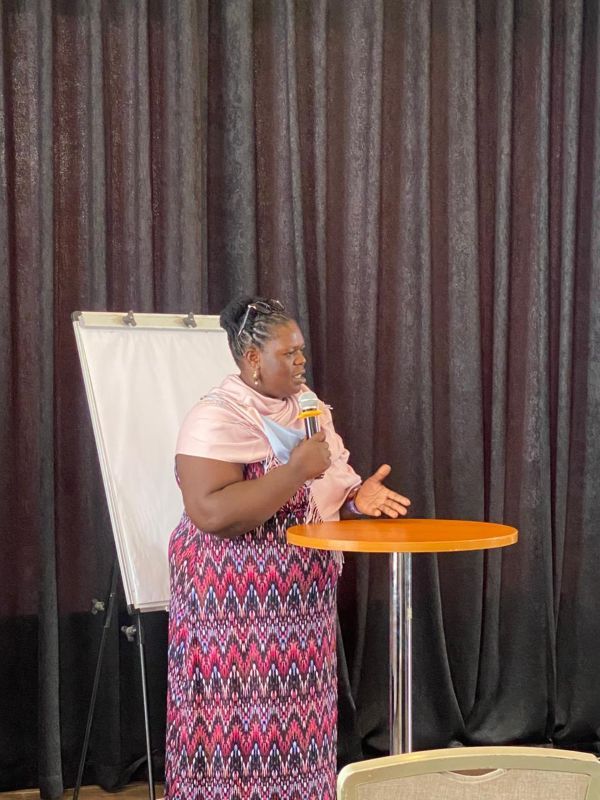
On her part, Ms Joyce Kevin Kimaro, Economic Advisor, CSO Network, EAC-GIZ, underscored the importance of policy review processes in reflecting new and emerging issues such as climate change, digitalisation, and mental health that were previously not covered but now have major implications for youth and children’s wellbeing. Additionally, she highlighted the importance of aligning the frameworks with global and continental agendas, including the UN Sustainable Development Goals (SDGs), the African Union Agenda 2063, and the national priorities of EAC Partner States, ensuring coherent and impactful implementation.
“As EAC-GIZ, our task is not only to facilitate the development of good policies but to ensure they are realistic, inclusive and actionable, as the future of the region depends on how well we translate these commitments into tangible impact for women, youth, and children across East Africa.” added Ms Kimaro.
Following earlier technical consultations in Entebbe, Uganda, the validated documents will now be submitted to the 7th Meeting of the Sectoral Council on the Social Sector later this year.