East African Community (EAC) private sector umbrella body - the East African Business Council (EABC) in partnership with GIZ-LIFTED project, successfully concluded building the capacities of service enterprises to effectively participate in regional and continental trade under the frameworks of the EAC Common Markets and African Continental Free Trade Area (AfCFTA).
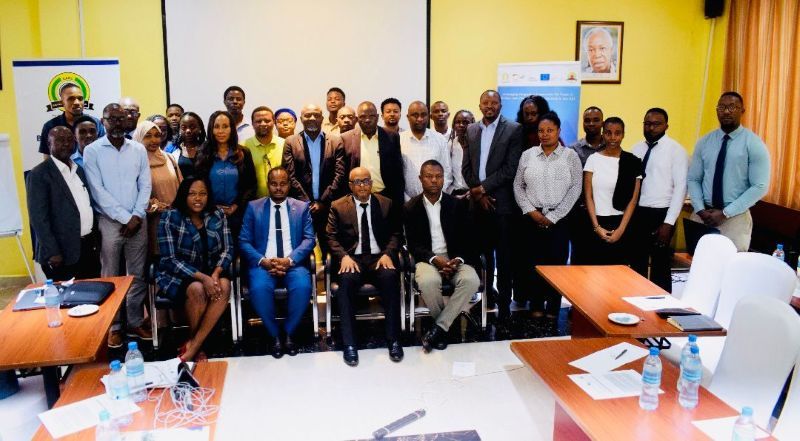
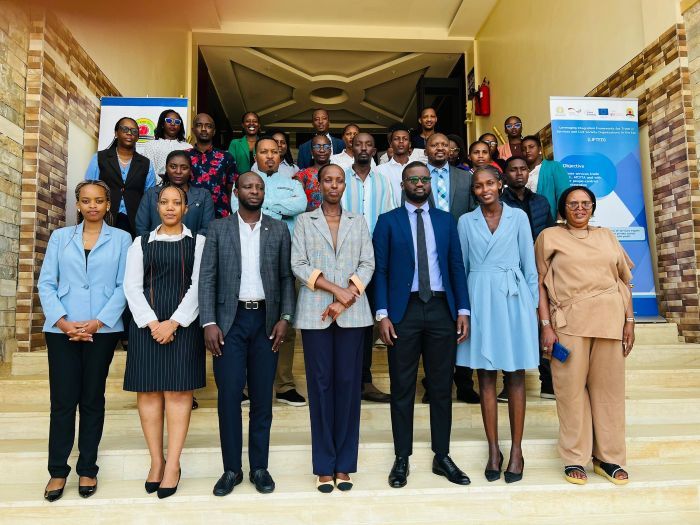
The initiative identified, Profiled and conducted a series of trainings between 2 and 15 October 2025 in Uganda, Rwanda, Tanzania and Kenya, which were attended by over 200 export-ready companies from priority service sectors focused on the application of rules, regulations, and business concepts for export of services.
The action aims to deepen regional integration by strengthening the capacity of the private sector—particularly women and youth-led service enterprises, to participate competitively in regional and continental trade. Anchored in the EAC Common Market pillar, the program supports Partner States’ commitments to liberalise trade in services and remove barriers that hinder cross-border service delivery across seven high potential sectors including Business, Education, Financial, Communication, Tourism and Travel-related, Transport, and Distribution Services.
Speaking during the training workshop in Uganda, Mr. Simon Kaheru, the EABC Vice Chairman, emphasised the need for elimination of restrictions on services trade and accelerating the adoption of the Mutual Recognition of Academic and Professional Qualifications. Mr. Kaheru reiterate the need to harmonise regulatory frameworks in the region.
In his remarks, Mr. Adrian Njau, Acting Executive Director of EABC, highlighted the critical role of services in the regional economies. He noted that services including ICT, tourism, transport, finance, education, and professional services contribute significantly to GDP, job creation and innovation.
Mr. Njau observed that despite all the efforts, SMEs and women- and youth-led businesses still face barriers in accessing service export markets.
“Fragmented regulations, slow recognition of qualifications, limited financing, and information gaps hinder SMEs competitiveness. This workshop is therefore an investment in people - our entrepreneurs, our youth, and our women.” He added.
Representing the Private Sector Foundation Uganda (PSFU), Ms. Florence Mambea, Outreach Manager, underscored the importance of cultivating a culture of professional service delivery and compliance with export market regulations and standards. She advised companies to remain consistent, professional, and accountable to their brand for sustainable provision of service.
The GIZ-LIFTED is a project co-funded by the European Union (EU) which aims to empower export-ready companies across the region, equipping them with knowledge, strategies, and networks to thrive in regional and global markets. The project plan for match making sessions for linking selected firms with EU counterparts in 2026.