In East Africa, coffee remains a key export commodity, generating around USD 1 billion annually and supporting nearly two million families across the region. In Tanzania’s Mara region alone, approximately 35,000 hectares of arable land are suitable for coffee production, reflecting strong untapped potential. However, much of this value remains unrealised. Productivity and quality are low, and access to markets is constrained. Farmers face limited access to inputs and extension services, weak agronomic practices, climate pressures and volatile prices, all of which reduce incomes and limit long-term investment. Women contribute a significant share of labour but benefit less from the economic returns, while youth participation in the sector remains low.
Coffee in the Mara region is organised through Agricultural Marketing Cooperative Societies (AMCOS), which aggregate production and channel it through the Wakulima wa Mara Cooperative Union (WAMACU) for marketing. This structure plays a central role in linking smallholder coffee producers to regional markets and export channels. Yet limited capacity in cooperative management, quality control and compliance with evolving sustainability requirements constrains their ability to access higher-value export markets. As a result, much of the value remains at lower levels of the chain. Across the region, similar dynamics persist, from Tanzania to Kenya, Uganda, Rwanda and Burundi, highlighting the need to strengthen competitiveness, reduce trade barriers and better connect producers to regional and global markets.
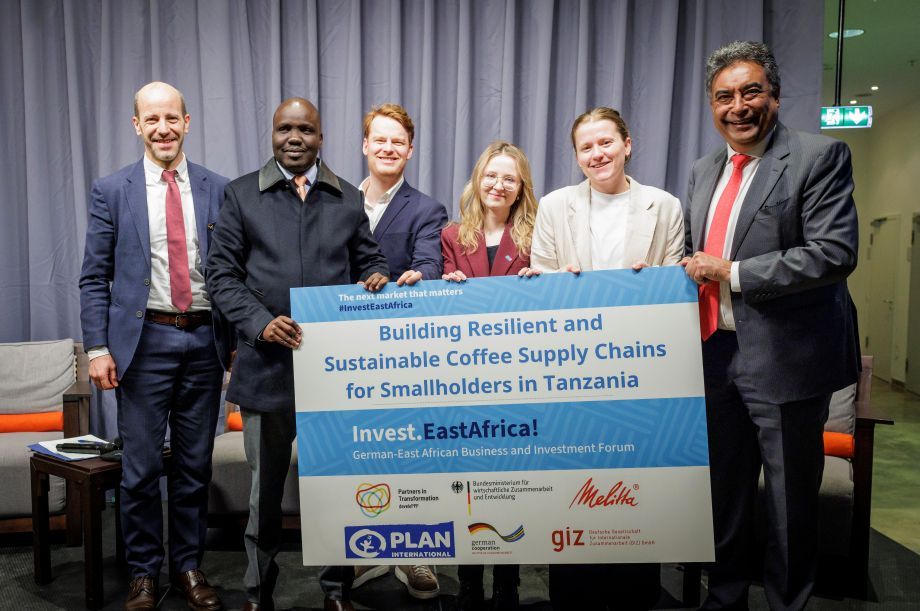
Private sector engagement is increasingly contributing to a higher share of value retained by producers by supporting improvements in quality, traceability and compliance with international standards (e.g., EU Deforestation Regulation and the Coffee Sustainability Reference Code). This is reflected in partnerships with companies such as Melitta, a German coffee company sourcing globally, which is working with cooperatives in Tanzania’s Mara region to strengthen supply chains and align production more closely with market requirements.
The cooperation is supported by GIZ through develoPPP, a co-financing instrument that links private investment with development objectives, and is implemented under the SEAMPEC II project, which strengthens regional value chains and enables scaling across the East African Community. The initiative will directly support more than 300 smallholder farmers and strengthen at least three cooperatives, improving their ability to participate more effectively in higher-value trade.
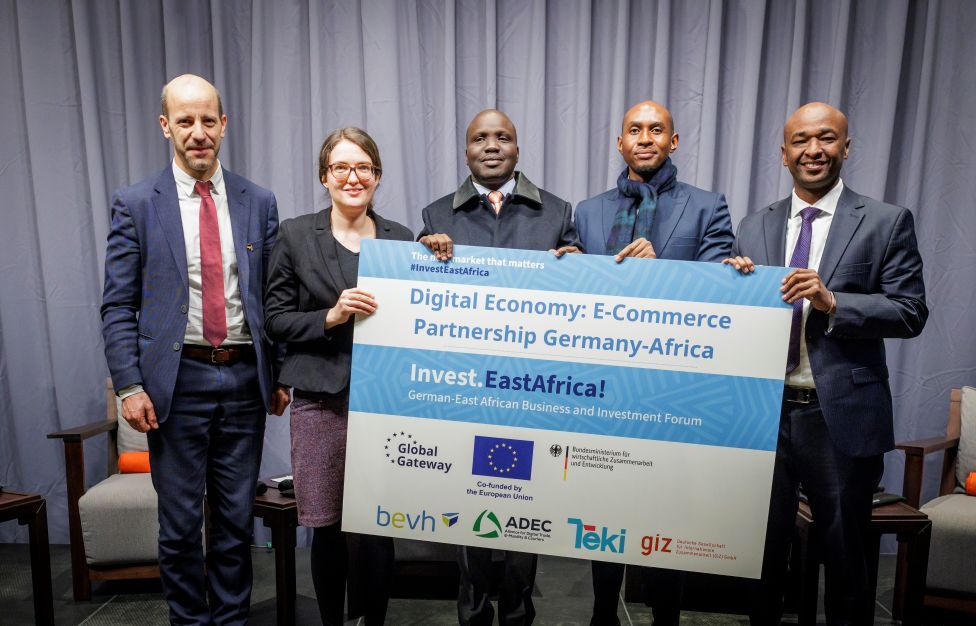
The Melitta partnership is one of many – part of a broader shift in how development cooperation and private investment are coming together to strengthen economic partnerships between East Africa and Europe. At the Invest.EastAfrica! German–East African Business and Investment Forum, held in Frankfurt and Berlin from 27 to 29 January 2026, private sector partnerships valued at €5 million were launched and are now under implementation with companies such as Bayer and ofi. These partnerships focus on strengthening sustainable trade, value chains and inclusive growth—from digital solutions and artificial intelligence to coffee and cashew processing, entrepreneurship and connectivity.
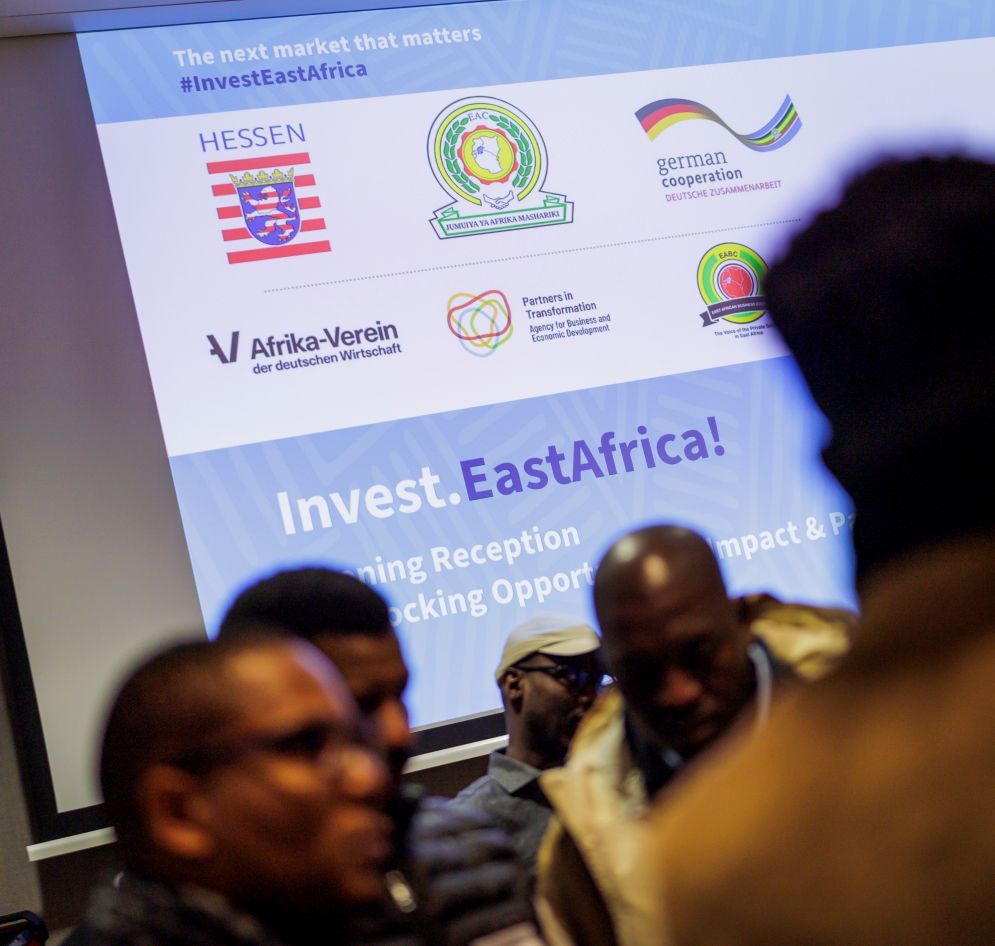
Convened by GIZ together with the State of Hessen, the East African Community, Afrika-Verein and the German Chambers of Commerce (DIHK), the forum brought together 60 East African and 350 German business representatives. Companies engaged in structured B2B exchanges across key sectors, including digital economy and AI, agribusiness, health, critical raw materials, tourism and logistics. Building on this, ten additional projects involving German and East African partners, including Commerzbank, Lufthansa, Hormuud and Cassava Technologies, are currently being advanced, representing a projected investment volume of €500 million.
A high-level delegation led by Manfred Pentz, Minister for Federal, European and International Affairs and Debureaucratization of Hessen, is scheduled to visit Rwanda, Tanzania and Kenya in September 2026 to advance these initiatives and support the conclusion of agreements. This aligns with the direction set out in Germany’s reform plan “Shaping the future together globally”, which places economic cooperation and private sector partnerships at the centre of development policy.